① Background
Cardiovascular disease is one of the major health issues in countries around the world, including China, and hereditary heart disease, as a special category of heart disease, significantly affects the daily health and quality of life of patients. Thanks to the progress in genomics and molecular genetics, especially the advancements in gene sequencing technology in understanding the biological and pathological importance of variant genes, the application of genetic testing in the early identification, preventive measures, and personalized treatment plans for hereditary heart disease has become increasingly critical.
Cardiomyopathies are a class of heart diseases caused by genetic factors, mainly including the following types:
Hereditary cardiomyopathy:
Dilated Cardiomyopathy (DCM): This condition leads to the expansion of the heart chambers and a weakening of the heart muscle, which can result in heart failure and arrhythmias. Common genetic genes include MYH7, TNNT2, and LMNA.
Hypertrophic Cardiomyopathy (HCM): Excessive thickening of the heart muscle can lead to reduced pumping function of the heart and increased risk of sudden death. Related genes include MYH7, MYBPC3, and TPM1.
Restrictive Cardiomyopathy,RCM): The heart wall becomes rigid, limiting the heart's filling, and is often associated with heart failure. Common genes include TNNT2 and MYBPC3.
Genetic arrhythmias:
Long QT Syndrome (LQTS): Abnormal electrical activity of the heart, which can lead to serious arrhythmias and even sudden death. Related genes include KCNQ1, KCNH2, and SCN5A.
Short QT Syndrome (SQTS): Electrical activity of the heart is too fast, increasing the risk of arrhythmias. Related genes include KCNH2 and KCNJ2.
Brugada Syndrome: A condition of abnormal heart rhythm, usually presenting with specific changes in the electrocardiogram, which can lead to sudden death. Related genes include SCN5A.
Genetic coronary artery disease:
These diseases involve developmental anomalies or functional disorders of the coronary arteries, which can lead to myocardial ischaemia. The genetic decoding of the relevant genes is ongoing, but some gene variants associated with developmental anomalies of the coronary arteries have already been identified.
Familial Hypercholesterolemia (FH): A genetic condition that increases the risk of heart disease due to high cholesterol levels. The main relevant genes include LDLR, APOB, and PCSK9.
② Introduction
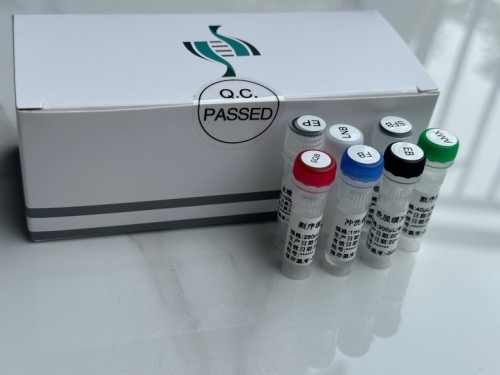
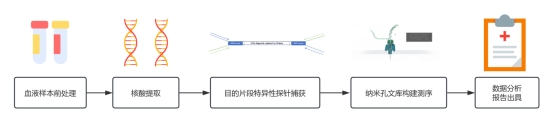
Based on the nanoscale pore sequencing platform, combined with specific probe capture detection methods, the capture and library construction screening of a variety of genes related to hereditary cardiomyopathy can comprehensively detect the pathogenic genes and their related mutation types of hereditary cardiomyopathy. At the same time, compared with traditional detection and second-generation mNGS detection technology, it can achieve ultra-long read sequencing, real-time data analysis, simplify the entire detection process, improve detection efficiency, reduce labor costs, maximize the utilization rate of data, and accurately locate to the pathogenic genes, which can meet the clinical needs for gene screening and diagnosis of hereditary cardiomyopathy.
③ Detection process
④ Applicable people
Individuals with a family history of heart disease (high-risk groups)
Patients with chest muscle pain experience (potentially related to heart disease)
Overweight, sedentary, and diabetic patients
Patients suspected of having heart disease and their families
⑤ Application Direction
Early screening: In patients with a genetic background, the genetic heart disease testing program can assist in the early detection of potential hereditary heart diseases, allowing for timely preventive measures. For example, in hypertrophic cardiomyopathy, genetic testing can identify potential pathogenic genetic variants before symptoms appear, enabling early management and monitoring of the patient's heart health.
Customized medicine: The genetic heart disease gene testing program can guide the development of customized medical plans. Taking longQT syndrome as an example, doctors can choose more appropriate drug treatment plans or recommend the use of implantable cardioverter defibrillators (ICDs) to prevent possible arrhythmias based on the patient's specific genetic variants.
Genetic risk assessment: The genetic heart disease testing program can also assist in providing genetic risk assessment, helping family members understand their genetic risk and take appropriate preventive measures. By testing whether family members carry specific genetic mutations, doctors can provide targeted screening recommendations, enabling family members to take control of their health risks. Combined with assisted reproductive technology, it can prevent offspring and future children from developing such diseases.