① Technical background
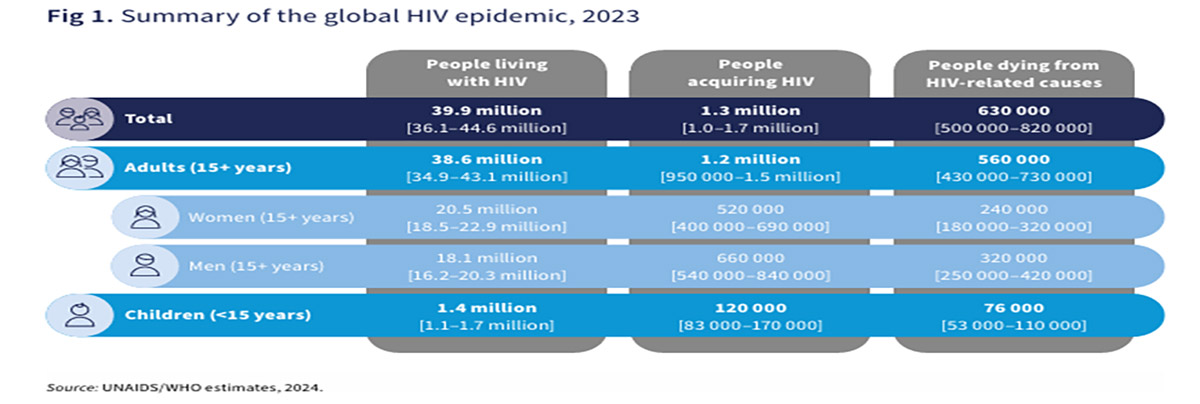
According to data from the World Health Organization and statistics from national centers for disease control and prevention, in 2022 HIV/AIDS claimed one life every minute worldwide. Approximately 9.2 million people lacked access to treatment, including about 660,000 children living with HIV . Women and girls continue to be disproportionately affected, especially in sub-Saharan Africa, where 40,000 young women and girls are infected with HIV every week. Nearly a quarter (23%) of new HIV infections occur in the Asia-Pacific region. In China, the population living with HIV is becoming younger and older, especially among young students and elderly men, where growth trends are observed. More than 3,000 young students in China are infected with HIV every year. Over the past few years, the annual growth rate of newly diagnosed HIV infections among college students has been between 30% and 50%.

② Technology
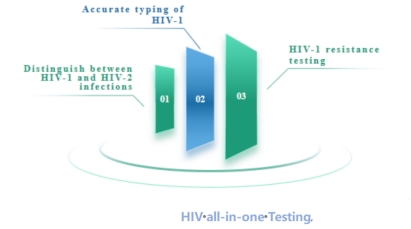
Based on the Nanopore sequencing platform and combined with the multiple PCR target detection method, Plano has independently developed a detection scheme for HIV and its drug resistance genes. It can detect and distinguish HIV-1 and HIV-2 in one test, and it can also distinguish the various subtypes of HIV-1. In addition, it can identify the drug resistance gene mutations of antiretroviral drugs in HIV-1. Compared with traditional detection and second-generation mNGS detection technology, it has achieved ultra-long read sequencing and real-time data analysis, which simplifies the entire detection process, improves detection efficiency, reduces labor costs, and maximizes data utilization. It can meet the clinical needs of HIV screening, and it can also meet the detection needs of HIV prevention and control.
③ Applicable people
People suspected of being infected with HIV
People at risk of HIV exposure
People with high-risk sexual behavior
People living with people living with HIV, including relatives and friends
People who have used blood products, especially imported blood products, and are skeptical about the quality of these products.
④ Type of test sample
Blood sample; whole blood sample
Dry blood spot sample
Urine sample
Reproductive tract samples