① Background
According to relevant data, about 4.57 million new tumors occur in China every year, of which about 5% to 10% of tumors are caused by pathogenic germline mutations in susceptible genes.
Genetic tumors refer to tumors that are caused by specific gene mutations and can be inherited through generations in a family. These gene mutations usually involve regulatory pathways of cell growth and division, and are mostly dominantly inherited through autosomal genes. The characteristics of such tumors include an earlier onset age, the possibility of multiple primary lesions, and patients may develop various types of tumors. The hereditary predisposition to familial tumors poses a significant threat to the health of family members, thus the diagnosis, treatment, and intervention strategies for these tumors differ from sporadic tumors.

② Introduction
By utilizing the nanopore sequencing technology and combining it with specific probe capture methods, the capture and library construction screening of various susceptibility genes associated with hereditary tumors can be performed, which can comprehensively detect the susceptibility genes and mutation types of hereditary tumors. Compared with traditional detection methods and second-generation mNGS technology, this approach has achieved ultra-long read sequencing and real-time data analysis, simplifying the detection process, improving detection efficiency, reducing labor costs, and maximizing the utilization rate of data. In addition, this technology can accurately locate the pathogenic genes, meeting the clinical needs for the screening and diagnosis of susceptibility genes of hereditary tumors.
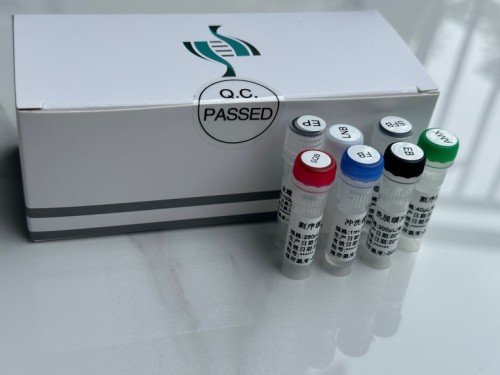
③ Scope of detection (List some tumor-related biomarkers and gene names involved in the items)

④ Project advantages
"Fast": From sample collection to processing, sequencing, and analysis report issuance, the full process time for the test is 7-15 days.
“Precise”:Genetic tumor-related target gene selected from multiple databases and expert consensus, specific probe capture designed for target gene, improving the accuracy of detection.
“Common”: Support the co-detection of DNA and RNA, and also support the joint sequencing analysis of family samples.
"Precision": Based on the third-generation nanoscale pore sequencing platform, the detection read length can reach up to 2MB. Data supports real-time analysis, and a self-built database is used for mutation variant analysis to improve the accuracy of detection.
⑤ Applicable people
Workers in high-risk occupations (such as radiation, chemical industry), exposure to causative factors: people who are exposed to radiation, chemicals, infections, etc. for a long time, which can easily lead to gene mutation.
Those with a history of relevant chronic diseases and high-risk factors related to tumors.
Multiple family members have developed cancer before the age of 50.
Three or more family members with different types of cancer
Sub-health population: people with fast pace of life, high work pressure, often in a highly tense state, unreasonable dietary structure and lack of physical exercise, as well as those with bad habits such as smoking and excessive drinking.